
5 Reasons Homeowners Search for Tree Services Near Me in Mt Juliet, TN
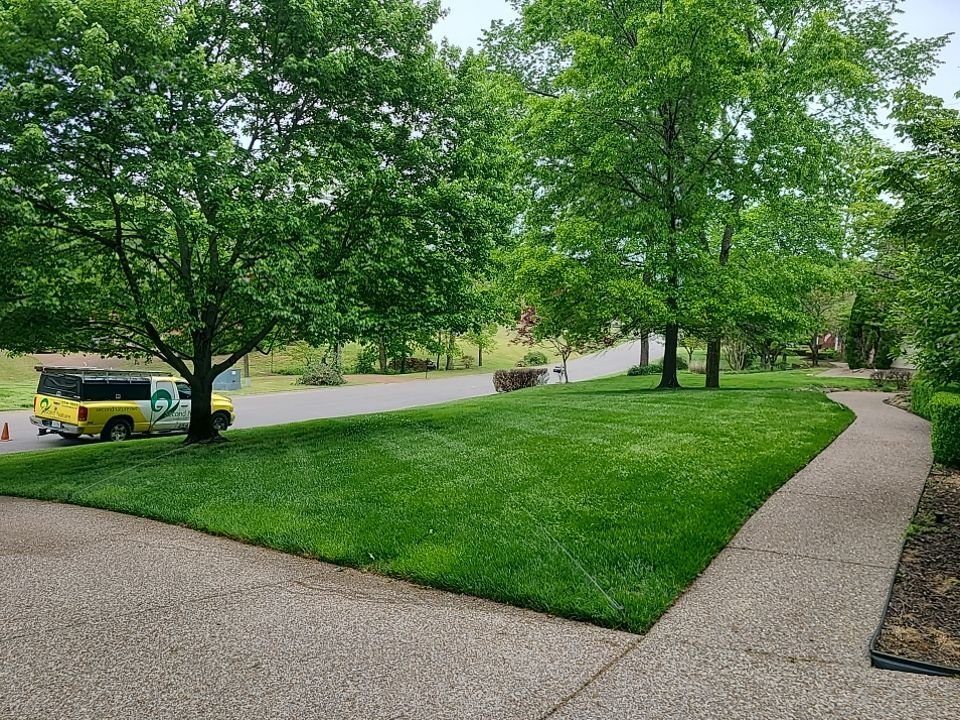
When mature oaks start leaning, maples lose limbs after a Tennessee storm, or a prized ornamental tree begins to decline, it’s no surprise that homeowners begin searching for tree services near me in Mt. Juliet, TN. In a community known for beautiful properties and thoughtfully designed landscapes, trees are more than background elements—they’re living architecture. And when they need attention, you want a team that understands both the science of tree care and the standard of excellence your home deserves.
Related: Keep Your Trees Healthy: Locating Tree Services Near Me in Smyrna and Columbia, TN
1. Storm Damage and Severe Weather Demand Immediate Expertise
Mt. Juliet’s climate is one of contrasts. Hot, humid summers. Periods of intense rainfall. Occasional ice events in winter. And let’s not forget the fast-moving thunderstorms that roll through Middle Tennessee in spring and early fall.
All of that weather is tough on trees.
High winds can split large limbs. Saturated soil can weaken root systems. Rapid temperature swings in late winter can stress bark and create structural vulnerabilities. Even healthy, established trees can become hazards seemingly overnight.
When a storm hits, it’s not just about clearing debris. It’s about assessing structural integrity, identifying hidden cracks or compromised limbs, and making strategic decisions that protect both the tree and your home.
Our tree service professionals handle:
Safe removal of fallen or hazardous limbs
Structural assessments after wind and storm events
Tree removal when stability is compromised
Preventative pruning to reduce future storm risk
We don’t rush in with chainsaws and guesswork. We evaluate the entire tree, surrounding structures, irrigation systems, turf, and landscape beds before making a single cut. Your home is an investment. Your landscape is curated. Every move we make respects that.
2. Safety, Liability, and Protection of High-End Landscapes
In upscale neighborhoods throughout Mt. Juliet—Providence, Jackson Hills, Benders Ferry—landscapes are carefully designed and maintained. Mature trees frame architecture. Shade protects turf. Flowering ornamentals anchor seasonal displays.
But when a tree becomes unstable or diseased, the risks multiply:
Damage to roofing and gutters
Impact to irrigation systems
Crushed landscape lighting
Root intrusion into hardscapes
Compromised foundations or driveways
Tree work is not casual labor. It’s technical, calculated, and potentially dangerous. Professional tree removal and pruning require proper equipment, safety protocols, and trained crews who understand how to protect both property and people.
At Second Nature Lawn Care, we treat tree service as a specialty—not an afterthought. Our team uses industry-standard equipment and structured procedures to ensure:
Controlled limb lowering
Protection of turf and plant beds
Preservation of nearby trees
Clean, precise cuts that promote healing
We manage the process with the same level of care we bring to lawn care programs and irrigation services. Because for us, it’s never just about removing wood—it’s about preserving your landscape’s integrity.
3. Enhancing Curb Appeal and Long-Term Landscape Health
Healthy trees elevate a property. They create scale. They soften hard edges. They frame outdoor living spaces and provide welcome shade during Tennessee’s long, humid summers.
But neglected trees can quietly diminish a landscape’s beauty.
Overgrown canopies block sunlight from turf. Deadwood creates visual clutter. Crossing branches cause wounds that invite pests and disease. Unbalanced growth throws off the symmetry of carefully designed plantings.
That’s where professional tree trimming and pruning become transformative.
We focus on:
Structural pruning for young trees
Canopy thinning to improve airflow
Deadwood removal for safety and aesthetics
Shaping ornamentals for clean, intentional form
Mt. Juliet’s clay-heavy soils can create drainage challenges. Trees growing in compacted or poorly draining areas often need strategic pruning to reduce stress and rebalance canopy weight. Our team understands how local soil composition, rainfall patterns, and humidity affect tree growth cycles.
When we prune, we’re not just “cutting back.” We’re sculpting. Guiding. Preserving. The result is a refined, polished landscape that feels intentional and elevated.
4. Protecting Investment in Irrigation and Lawn Systems
Mature trees and advanced irrigation systems must coexist carefully. Roots can shift pipes. Shade patterns affect turf growth. Fallen limbs can damage sprinkler heads.
As a full-service lawn care and irrigation company, we understand how interconnected your property systems are.
When tree work is needed, we consider:
Location of irrigation lines
Root growth near valves and sprinkler heads
Drainage flow patterns
Impact on turf health and fertilization schedules
Removing or thinning a tree can significantly change sunlight exposure across your lawn. That may influence watering needs, turf density, and fertilization timing. Because we manage lawn care, irrigation, and tree services, we approach every decision holistically.
We don’t treat trees in isolation. We treat your entire property as one integrated system.
5. Preventing Emergencies Before They Happen
Many homeowners search for tree services only after something dramatic happens—a split trunk, a leaning tree, a cracked limb hanging precariously over a driveway.
But the most strategic property owners take a preventative approach.
Routine inspections and maintenance allow us to identify:
Structural weaknesses
Early signs of disease
Root instability
Pest damage
Limb overextension
Mt. Juliet’s humid climate can encourage fungal issues. Extended wet periods in spring and early summer create ideal conditions for decay in wounded wood. Preventative pruning reduces those entry points and improves airflow through the canopy.
Tree maintenance isn’t reactive. It’s protective. And prevention is always more refined—and less disruptive—than emergency removal.
Related: Preserve the Health of Hendersonville or Smyrna, TN Trees with Professional Tree Services Near Me
What Is The Cheapest Time Of Year For Tree Removal?
In Middle Tennessee, late winter is typically the most cost-effective time for tree removal—and that’s especially true in Mt. Juliet. During this season, most trees are dormant, meaning their growth has slowed and their energy is stored in the root system rather than pushing foliage. This dormancy makes structural issues easier to evaluate and allows our team to see the tree’s framework clearly without the obstruction of leaves.
There are several reasons late winter often offers efficiency advantages:
Trees are dormant, making structural weaknesses, splits, and decay more visible
Leaf drop improves visibility for safer, more precise cutting
Ground conditions are often firmer than during rainy spring months
Scheduling flexibility may be greater before peak growing season begins
In Mt. Juliet, February and early March frequently provide ideal working conditions. The soil, while still influenced by Tennessee’s clay composition, is typically less saturated than it will be during heavy spring rains. Clay soils retain moisture, and when oversaturated, they can limit equipment access and increase the risk of turf disturbance. Cooler temperatures also reduce stress on surrounding plant material during removal.
That said, “cheapest” should never mean rushed or reduced quality. Tree removal is a technical, highly controlled process—especially on upscale properties with irrigation systems, manicured lawns, landscape lighting, and outdoor living areas nearby. Seasonal timing may influence scheduling efficiencies, but the real value lies in professional execution that protects your home, preserves your lawn, and maintains the integrity of your landscape. A carefully planned winter removal can be both cost-effective and exceptionally precise.
What Is Considered A Tree Emergency?
A tree emergency involves an immediate threat to people, structures, or critical property systems. In a community like Mt. Juliet, where mature hardwoods tower over homes and outdoor living spaces, storm damage can quickly escalate into a serious hazard.
Situations that require urgent professional attention include:
A tree leaning suddenly after a storm
Large limbs cracked and suspended overhead
Trees contacting power lines
Uprooted trees with exposed root systems
Significant trunk splits that compromise structural stability
Mt. Juliet experiences powerful thunderstorms, particularly in spring and early summer. Rapid wind gusts combined with saturated soil from heavy rainfall can destabilize even well-established oaks, maples, and poplars. When clay soil becomes waterlogged, root systems may lose their grip, increasing the risk of sudden shifts or complete failure.
Ice events in winter can also create emergencies. Accumulated ice weight places immense stress on branches, leading to unexpected splits and falling limbs. Even a limb that appears stable can be under internal tension and fail without warning.
When emergencies happen, speed matters—but so does judgment. Our team evaluates the full picture before taking action. We assess the tree’s stability, the proximity to structures, surrounding irrigation components, and the safest removal strategy. Quick response is critical. Controlled execution is essential. We never sacrifice safety or property protection for haste.
How To Tell If A Tree Needs To Be Removed?
Not every declining tree needs removal. In fact, many trees can be restored to health with strategic pruning and proper care. However, certain indicators suggest structural or biological failure that may make removal the safest and most responsible option.
Signs we evaluate include:
Extensive trunk decay
Hollow cavities compromising strength
Significant lean with visible root plate movement
Dead canopy sections exceeding 50 percent
Repeated large limb failures over time
In Mt. Juliet’s humid climate, decay can progress internally long before it becomes obvious. Tennessee’s warm summers and frequent rainfall create conditions that allow fungal organisms to thrive. A tree may appear healthy externally while internal wood structure weakens.
Surface bark can remain intact even when internal cavities develop. A subtle lean may signal deeper root instability, particularly in clay-heavy soils that expand and contract with moisture fluctuations. Repeated limb failures often indicate systemic weakness rather than isolated damage.
This is why professional evaluation is critical. We assess root health, canopy balance, trunk integrity, and environmental stress factors before recommending removal. We consider species-specific characteristics, soil conditions, and the tree’s role within your broader landscape design.
When removal is necessary, it’s because preservation is no longer safe or viable. And when preservation is possible, we prioritize targeted pruning and structural corrections to extend the life and beauty of the tree. Our goal is always long-term landscape stability—not unnecessary removal.
Do You Need A Permit To Cut Down A Tree In Tennessee?
Permit requirements in Tennessee vary depending on municipality, neighborhood covenants, and specific property designations. For homeowners in Mt. Juliet, most standard tree removals on private residential property do not require a city-issued permit. However, that does not mean regulations are irrelevant.
In Mt. Juliet:
Private residential properties generally do not require permits for standard tree removal
HOA communities may have guidelines governing removal of certain trees
Protected or heritage trees could be subject to restrictions depending on local codes
Many upscale communities operate under homeowners association rules that regulate landscape changes, including tree removal. Some neighborhoods require approval before removing trees above a certain diameter or those visible from the street.
Additionally, if a property contains protected environmental features or falls within designated planning overlays, additional considerations may apply. While this is less common for standard residential lots, it’s important to verify.
Responsible tree service isn’t just about chainsaws and cleanup—it’s about compliance and respect for community standards. We encourage homeowners to review HOA covenants and local guidelines before proceeding. Our team works within those frameworks, ensuring your project aligns with neighborhood expectations while still addressing safety and landscape health.
Is It Better To Trim Or Prune A Tree?
Trimming and pruning are often used interchangeably in casual conversation, but they serve distinct purposes in professional tree care. Understanding the difference helps clarify why each service is strategically chosen.
Trimming typically refers to shaping and managing growth for aesthetic balance. It maintains the clean lines of ornamental trees, prevents overextension into rooflines or driveways, and supports the overall design of your landscape.
Pruning, on the other hand, focuses more on health and structural integrity. It involves:
Removing dead or diseased limbs
Improving structural strength and balance
Reducing canopy density for airflow
Encouraging healthy, controlled growth patterns
In Mt. Juliet, timing is everything. Late winter and early spring are often ideal for structural pruning because trees are dormant and energy reserves are stable. This allows cuts to heal efficiently once growth resumes. Summer pruning may be used selectively to manage vigorous growth or remove storm-damaged limbs without overstressing the tree.
Humidity levels, rainfall patterns, and species type all influence timing decisions. Some flowering trees require pruning immediately after bloom cycles to preserve next season’s display. Others benefit from dormant-season corrections.
We determine the appropriate approach based on species, health status, structural needs, and seasonal conditions. Every cut is intentional. Every decision is rooted in long-term health and visual refinement.
Why Is Tree Maintenance Important?
Tree maintenance protects beauty, safety, and longevity—three elements that matter deeply to homeowners who value their property’s presentation and performance.
In a climate like Mt. Juliet’s, where humidity, clay soils, and sudden storms are common, trees endure consistent environmental stress. Summer heat places demand on root systems. Heavy spring rains saturate soil. Wind events test structural integrity. Without proactive care, small issues can evolve into significant risks.
Without professional maintenance:
Weak limbs go unnoticed
Disease spreads internally
Canopies become imbalanced
Storm vulnerability increases
Overcrowded canopies reduce airflow, trapping moisture and encouraging fungal growth. Imbalanced weight distribution increases the likelihood of limb failure during high winds. Hidden decay progresses quietly until structural compromise becomes unavoidable.
With regular care:
Airflow improves throughout the canopy
Sunlight distribution becomes balanced
Structural integrity strengthens
Landscape aesthetics elevate
Healthy trees enhance your entire outdoor environment. They frame patios and outdoor kitchens. They provide shade that reduces turf stress during Tennessee’s hot summers. They complement irrigation planning by influencing moisture distribution and root competition.
Your trees are foundational components of your property’s identity and design. Professional maintenance preserves that identity. It ensures your landscape continues to reflect refinement, stability, and thoughtful care year after year.
Related: Does Your Columbia, TN Landscape Need Improvement? Look for Lawn Care and Tree Services Near Me
About the Author
For over 30 years, our locally operated business has provided comprehensive premium care to lawns in the greater Nashville area. Utilizing high-quality turf, top-of-the-line application equipment, and golf course–grade materials, our technicians bring playing and gathering spaces back to life.