
From Patchy to Consistent Growth: A Homeowner’s Guide to Lawn Care in Thompson’s Station, TN
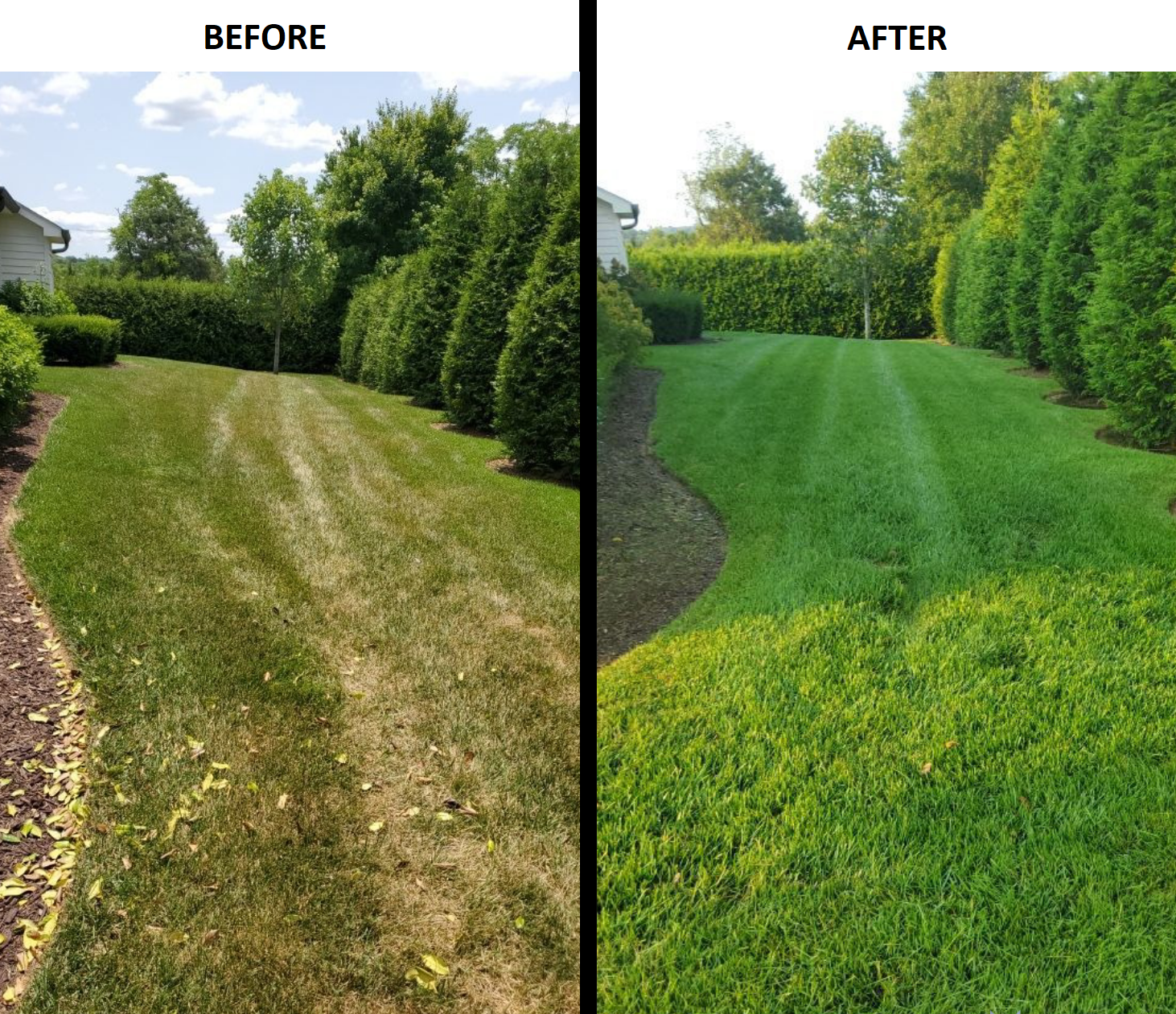
If your lawn looks inconsistent no matter how often it’s watered or mowed, you’re not alone. Many homeowners across Thompson’s Station, TN, deal with turf that never fully comes together. One section grows thick and green, while another struggles to keep up.
That disconnect usually comes down to one thing. The lawn is being maintained, but not managed.
Effective lawn care in Thompson’s Station, TN, requires a clear plan, proper timing, and attention to what’s happening below the surface. Without that, results tend to fluctuate throughout the year.
Our team approaches lawn care with a focus on long-term turf performance. We are not trying to create a quick improvement that fades after a few weeks. We are building consistency across the entire property. When treatments are applied at the right time and adjusted based on how your lawn responds, that consistency starts to show. This guide walks through what drives those results and why some lawns continue to struggle without it.
A lot of lawns in this area are stuck in a cycle of short-term improvement followed by decline. They look better for a few weeks, then slip back into inconsistency. That usually points to a lack of continuity in how the lawn is treated. When care is applied in isolated steps instead of as a connected plan, results don’t hold. Our focus is to eliminate that cycle and replace it with steady progress you can actually see from season to season.
Related: Maintain Your Greenery: Lawn Care Services in Hendersonville and Thompson's Station, TN
What Does a Professional Lawn Care Program Include in Thompson’s Station, TN?
A professional lawn care program is built around timing, consistency, and ongoing evaluation. The goal is not just to improve how the lawn looks today, but to guide how it performs throughout the year.
Our process centers on a 7-cycle fertilization program designed for Tennessee growing conditions. Each visit aligns with how turf develops during specific parts of the season. Early applications support root development and initial growth. Mid-season treatments help the lawn handle heat, humidity, and environmental stress. Later applications prepare the turf for recovery and strengthen it heading into the next growing cycle.
Fertilization alone will not carry a lawn. That is why we layer in targeted weed control throughout the year. Pre-emergent treatments are timed to stop weed growth before it begins. Post-emergent applications address anything that breaks through. This approach keeps weeds from competing with your turf for nutrients, water, and space.
We also monitor each property closely. Soil conditions, sun exposure, drainage patterns, and grass type all influence how a lawn responds. Instead of applying the same plan across every yard, we adjust treatments based on performance. Some areas may require more support. Others may need less. Those decisions are made in real time.
This level of attention is what creates consistency. Over time, the lawn develops evenly. Color holds across the entire property. Density improves without sudden highs and lows. The lawn begins to support the rest of the landscape instead of working against it.
Another factor that separates a professional program is how it adapts over time. Lawns are not static. Weather patterns shift, soil conditions change, and usage impacts how turf responds. A program that remains fixed often loses effectiveness. We adjust based on what we observe during each visit. That allows us to stay aligned with what the lawn actually needs, not what a preset schedule assumes.
We also pay close attention to application rates and coverage. Even distribution plays a major role in how uniform the lawn looks. Inconsistent application can create visible variation across the property. By calibrating treatments and monitoring results, we reduce that risk and maintain a more consistent appearance.
Why Does My Lawn Still Struggle Even with Regular Watering and Mowing?
Watering and mowing help maintain a lawn, but they do not correct underlying conditions. When a lawn continues to struggle, the issue is usually happening below the surface.
Soil compaction is one of the most common problems we identify. As soil becomes compacted, it restricts the movement of water, oxygen, and nutrients. Grass roots stay shallow and weak. Even with consistent watering, the lawn cannot fully respond because those resources are not reaching where they need to go.
Nutrient imbalance is another factor. Turf requires specific nutrients at different stages of growth. When those nutrients are applied inconsistently or at the wrong time, results become uneven. Some sections respond while others fall behind. Over time, this creates a patchy appearance that never fully corrects itself.
Weed pressure adds to the problem. Weeds compete directly with grass for nutrients and moisture. Once they establish, they begin to shift the balance of the lawn. Areas that were once healthy can start to thin as weeds take over.
Irrigation often contributes to inconsistency as well. We regularly see systems that are not calibrated correctly. Some areas receive too much water, leading to shallow roots. Other areas receive too little, resulting in dry patches. The lawn ends up growing unevenly across the property.
Drainage is another detail that often gets overlooked. Areas where water collects can weaken turf over time, while areas that shed water too quickly may not retain enough moisture. These differences create uneven growth patterns that show up across the lawn. Identifying these conditions early allows us to make adjustments that support more balanced performance.
Sun exposure also affects how the lawn responds. Sections that receive full sun will behave differently than areas with partial shade. Without adjusting for those differences, the lawn may never fully even out. Addressing these variations is part of creating a consistent result across the entire property.
Our team evaluates all of these conditions before making adjustments. We look at how the lawn is performing as a system. When those underlying issues are corrected, the visible improvement becomes much more consistent and predictable.
What Is the Best Way to Keep a Lawn Green and Healthy Year-Round in Tennessee?
Maintaining a green lawn throughout the year requires a plan that aligns with seasonal changes. In Tennessee, those shifts are significant, and each phase requires a different approach.
In early spring, the focus is on rebuilding the lawn after winter dormancy. Nutrients are applied to encourage new growth, and early weed control prevents competition from taking hold. This stage establishes the baseline for the rest of the season.
As temperatures increase, the lawn enters a period of stress. Heat and humidity affect how turf absorbs nutrients and retains moisture. During this phase, we adjust applications to support the lawn without pushing excessive growth. Stability becomes the priority.
Fall is where long-term improvement happens. The lawn is in a position to recover from summer stress, and conditions support root development. This is when we strengthen the turf, improve density, and correct thin areas through aeration and overseeding.
As the season transitions into winter, we prepare the lawn for dormancy. Targeted applications help protect the turf and set it up for a stronger return in spring.
This is also where irrigation efficiency becomes important. As conditions shift throughout the year, watering needs change. A system that runs the same schedule all season can create problems. We often work alongside irrigation adjustments to ensure the lawn is receiving the right amount of water at the right time. That coordination supports more stable growth and reduces unnecessary stress.
By aligning treatments with both seasonal conditions and irrigation performance, the lawn is better positioned to maintain its color and density across longer periods.
A year-round plan ensures the lawn continues moving forward through each phase. Instead of reacting to problems, we are guiding performance throughout the entire cycle. That consistency is what allows the lawn to maintain its color and density across the year.
When Should Aeration and Overseeding Be Done for the Best Results?
Aeration and overseeding are key services for improving lawn density and overall performance. Timing these services correctly determines how effective they will be.
In Thompson’s Station, fall provides the ideal conditions. Soil temperatures remain warm enough for seed germination, while cooler air temperatures reduce stress on new growth. This creates an environment where new turf can establish quickly and evenly.
Aeration works by relieving soil compaction. It creates openings that allow water, oxygen, and nutrients to move deeper into the soil. This improves root development and strengthens the lawn from below.
Overseeding follows aeration. New seed is introduced into the lawn to fill in thin areas and improve overall coverage. As that new growth develops, it blends with the existing turf and creates a more consistent surface.
When these services are done at the right time and supported by ongoing treatments, the lawn begins to thicken and stabilize. Over time, those improvements become more noticeable. The lawn looks fuller, holds its color longer, and responds better to seasonal stress.
We also consider how existing turf will support new growth. Preparing the lawn before overseeding improves how well new seed establishes. When done correctly, the transition between existing grass and new growth becomes less noticeable over time. The lawn begins to look more uniform rather than patched together.
These improvements are not immediate, but they are noticeable as the lawn matures. Each season builds on the last, and the overall condition continues to improve.
Related: Lawn Care Near Me: How Expert Lawn Aeration Can Improve Grass Health in the Brentwood, TN Area
How Do You Prevent Weeds from Taking Over a Healthy Lawn?
Weeds take advantage of weakness in the lawn. When turf is thin or stressed, it creates space for unwanted growth to establish. Preventing that requires a proactive approach.
We rely on a combination of pre-emergent and post-emergent treatments. Pre-emergent applications are timed to stop weed seeds before they begin to grow. This prevents many issues before they ever become visible.
Post-emergent treatments are used to address any weeds that do appear. These applications are targeted to remove existing growth without affecting the surrounding turf.
A dense lawn is one of the strongest defenses against weeds. As grass thickens, it limits the available space for weeds to grow. This naturally reduces the likelihood of future problems.
Consistency is what makes this approach effective. When weed control is applied throughout the year, it prevents cycles of growth and regrowth. The lawn maintains a cleaner, more uniform appearance.
Another advantage of a consistent weed control strategy is predictability. Instead of dealing with sudden outbreaks, the lawn remains more stable throughout the year. That stability allows other treatments to perform more effectively since they are not competing with unwanted growth.
Over time, this creates a lawn that maintains its condition with less fluctuation.
Our focus is on staying ahead of weed pressure instead of reacting to it. That approach leads to more stable results and a lawn that holds its condition.
Designing a Lawn That Matches the Rest of Your Property
A lawn influences how the entire property is experienced. When it looks uneven or inconsistent, it disrupts the overall impression. When it is consistent, it supports everything around it.
We approach lawn care as part of the larger landscape. The goal is to create a surface that connects outdoor spaces and enhances how they are used. Consistent color and density help unify patios, walkways, and planting areas.
For homeowners who spend time outdoors, this matters. The lawn becomes a space that feels comfortable and reliable. It holds up during gatherings, daily use, and seasonal changes.
Edge definition also contributes to the overall look. Clean transitions between turf and hardscape features create a more refined appearance. These details help the property feel complete.
This consistency also affects how the property is perceived from the street. A lawn that holds its color and density creates a stronger first impression. It reflects a level of care that carries across the entire property.
Maintaining this level of quality requires ongoing care. A lawn that supports the rest of the landscape develops over time through consistent attention and adjustments.
How Second Nature’s Process Delivers More Consistent Results
Consistency comes from a process that builds over time and adapts as conditions change. Our approach focuses on customization, monitoring, and adjustments based on performance.
We begin by evaluating the property. Soil health, grass type, drainage, and environmental factors all influence how treatments are applied. This allows us to create a plan tailored to each lawn.
Our 7-cycle fertilization program supports steady growth throughout the year. Each application is timed to match seasonal conditions, helping the lawn respond more consistently.
We monitor each property during the season and make adjustments as needed. If certain areas are not responding as expected, we refine our approach to correct those issues early. This prevents small inconsistencies from becoming larger problems.
We also integrate pest control into our process. Fleas, ticks, and mosquitos affect how outdoor spaces are used. Addressing these concerns alongside lawn care helps maintain a more comfortable environment.
Communication is also part of how we maintain consistency. As we monitor the lawn, we keep homeowners informed about what we are seeing and how we are adjusting treatments. This creates a clearer understanding of how the lawn is progressing and what to expect moving forward.
When the process is transparent and responsive, it builds confidence in the results and helps maintain long-term consistency.
This process allows the lawn to improve gradually and maintain that progress. Each visit builds on the last, leading to a more consistent result across the property.
Local Climate Challenges That Impact Lawn Care in Thompson’s Station
The climate in Thompson’s Station presents specific challenges that influence how lawns perform. Heat, humidity, and seasonal transitions all play a role.
Summer conditions can place stress on turf. High temperatures increase the demand for water and nutrients. Without proper care, lawns may begin to thin or lose color during this period.
Seasonal transitions require adjustments in treatment timing. As conditions shift, applications need to align with how the lawn is responding. This helps maintain stability throughout the year.
Rainfall patterns can vary. Some periods bring consistent rain, while others remain dry. These fluctuations affect how nutrients are absorbed and how irrigation systems should perform.
Wind exposure and soil composition can also influence how lawns respond in this area. Some properties dry out faster due to airflow, while others retain moisture longer depending on soil type. These variables impact how treatments perform and how the lawn develops over time.
Our team uses local experience to guide these decisions. Understanding how the climate affects turf allows us to apply treatments at the right time and in the right amounts. This helps reduce setbacks and keeps the lawn progressing.
Conclusion
A consistent lawn develops through the right combination of timing, treatment, and ongoing attention. When those elements come together, the difference is clear.
For homeowners in Thompson’s Station, moving from patchy growth to a more uniform lawn requires a plan that supports the turf throughout the year. With the right approach, the lawn begins to hold its color, improve in density, and support the overall appearance of the property.
When that level of consistency is achieved, the lawn stops being a source of frustration. It becomes something you can rely on. You know what to expect when you look outside, and that reliability carries through every season.
Over time, the lawn becomes a reliable part of the outdoor space. It looks maintained, feels inviting, and enhances how the property is experienced every day.
About the Author
For over 30 years, our locally operated business has provided comprehensive premium care to lawns in the greater Nashville area. Utilizing high-quality turf, top-of-the-line application equipment, and golf course–grade materials, our technicians bring playing and gathering spaces back to life.